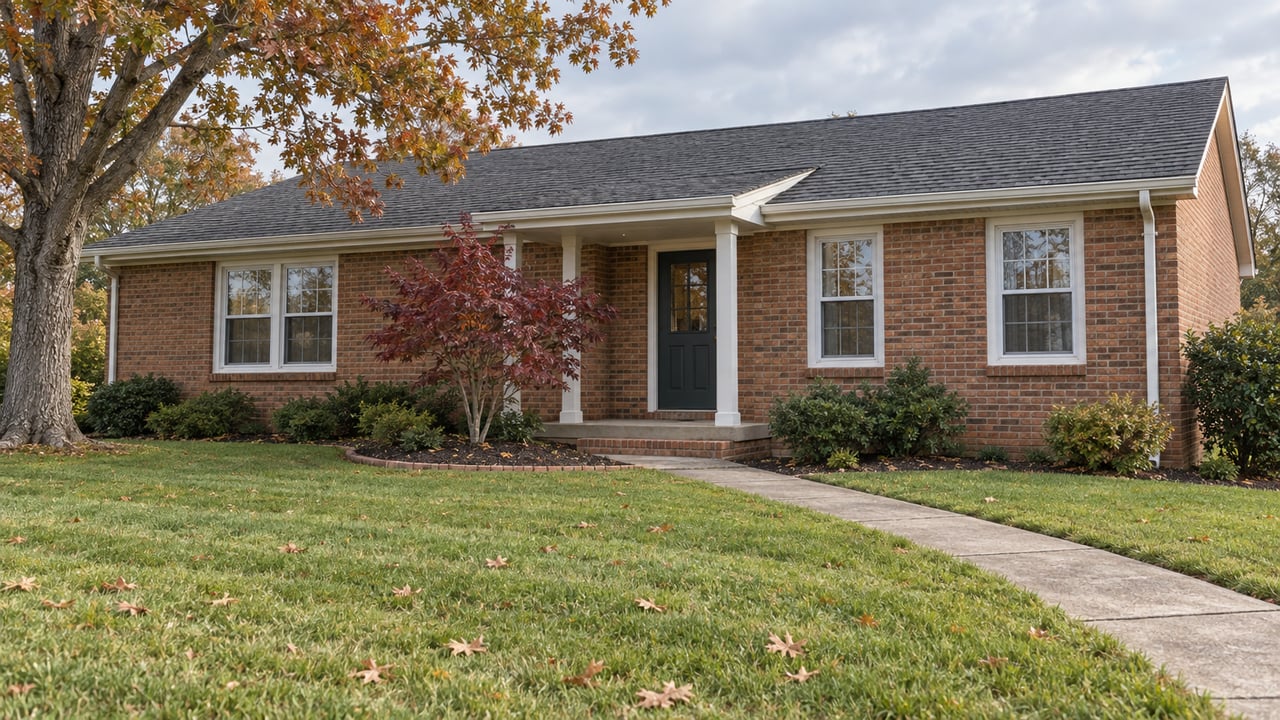
An agent pulling comps for a Las Gaviotas offer will find a neighborhood average of $217 per square foot against a Chesapeake average of $234. On paper, that makes Las Gaviotas the bargain. But the same buyer will also find a neighborhood where homes sit on the market for about 12 days against a Chesapeake average closer to 62, and where the average sale price sits above the Chesapeake average even though the average home was built in 1989, a decade or so before a typical home in Chesapeake. Older, priced higher, cheaper per foot, and gone faster. Anyone underwriting an offer off the top-line numbers alone is missing the part that actually explains the pace.
The Number That's Doing the Real Work
Start with the square footage. The average home in Las Gaviotas runs about 2,667 square feet, well above the Chesapeake average of 2,250. That extra space is the whole story. A buyer comparing sticker prices sees a neighborhood that costs more than the Chesapeake norm and might assume it's commanding a location premium. Look at price per square foot instead, and the picture flips: Las Gaviotas actually runs below the Chesapeake average on a per-foot basis. The total price is high because the houses are bigger, not because the dirt or the address costs more.
That distinction matters for anyone trying to figure out why nothing sits on the market. A family comparing new construction elsewhere in Chesapeake against a comparably priced home in Las Gaviotas is looking at two very different square footage totals for the same budget. The Las Gaviotas homes are older, which usually means updated kitchens and systems rather than original ones, but the floor plans were built at a time when this part of Chesapeake was putting up bigger footprints than a comparable budget tends to buy new today. That gap between size and price is what's pulling buyers in fast enough to keep days on market in the single digits and low teens.
One Neighborhood Name, Two Different Housing Products
Part of what makes the blended average tricky is that "Las Gaviotas" covers two distinct types of housing under one HOA. One section is townhomes built between 1985 and 1988, roughly 130 units ranging from 1,128 to 1,540 square feet, with 2 to 3 bedrooms and 1.5 to 2.5 baths. A small number are single-story, and a smaller number still come with an attached garage, which makes those particular units a different kind of listing entirely from the two-story units around them.
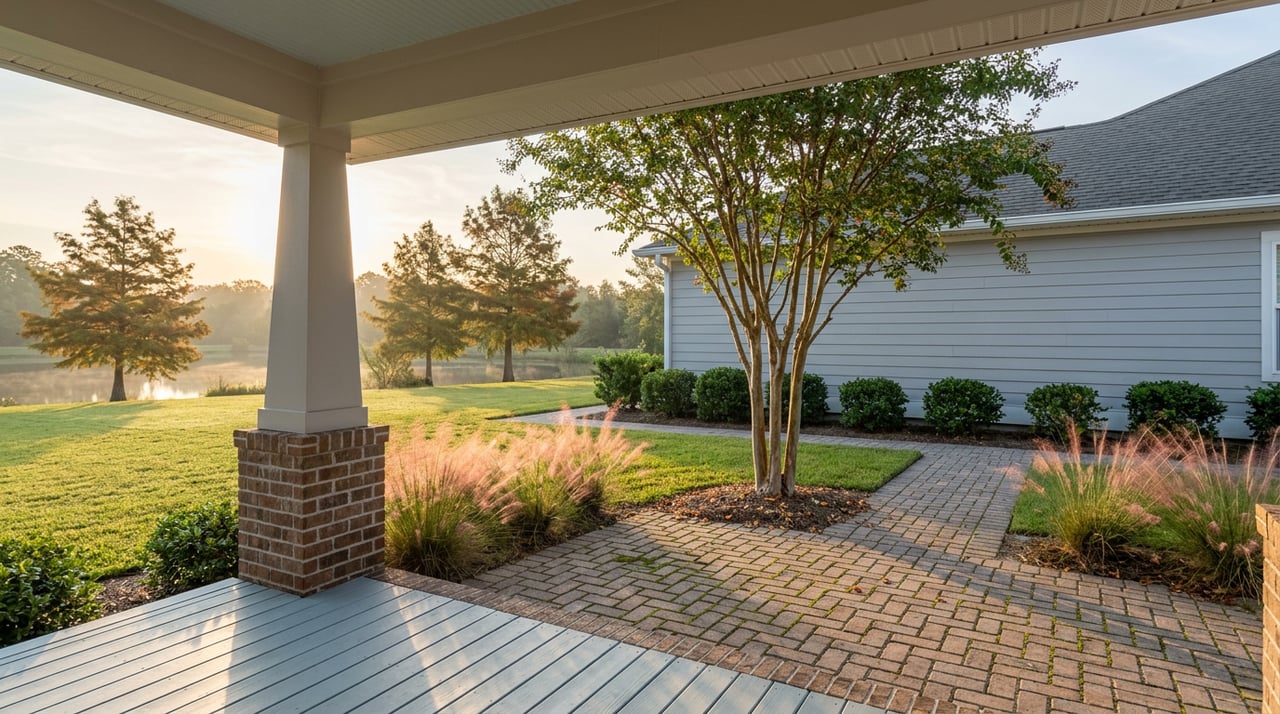
The other section is detached single-family homes, more than 550 of them, built across the same general window from 1985 to 1999, averaging in the range of 2,400 square feet and up. Some of these sit on canals with private docks, the kind of lot where a homeowner can put a canoe or a john boat in the water from the backyard. Others back directly onto the neighborhood's golf course, with individual listings pointing to specific lots along holes like 11 and 14.
A buyer or agent who treats the neighborhood-wide average as a single comp set is comparing a roughly 1,300-square-foot townhome against a detached home twice its size on a canal lot and calling it one market. It isn't. It's two markets that happen to share a name, an HOA, and a set of community amenities that include a swim club and golf membership options.
That kind of blended average is common in older, larger subdivisions that were built out over more than one phase and more than one product type, and it rewards the buyer who asks which section a listing actually belongs to before comparing it against a neighborhood-wide number pulled from a spreadsheet.
Why the Golf and Canal Lots Move Even Faster
The detached homes on golf or canal lots carry an extra layer of scarcity that the townhome section doesn't share. There's a fixed number of lots that back to a golf course or sit on a canal, and once those particular addresses sell, the next opportunity to buy one depends entirely on when the current owner decides to move. That's a very different supply dynamic from a townhome section with more turnover and more interchangeable units.
Add in a functioning, low-dues HOA that's kept up the grounds since the community was one of the first planned developments in this part of Chesapeake, and you get a neighborhood where the physical bones haven't needed the kind of catch-up renovation spending that can slow down an older subdivision's resale pace. Buyers aren't just getting space. They're getting space with a water view or a golf view, inside an HOA that's had decades to work out its maintenance rhythm, at a price per square foot that still runs below the Chesapeake average.
The School Pyramid and the Commute Nobody Prices Into the Comp
Las Gaviotas sits off Cedar Road in the Great Bridge area, zoned for Cedar Road Elementary, Great Bridge Middle, and Grassfield High School, with straightforward access to I-464 for anyone commuting toward Norfolk or Portsmouth. None of that shows up in a price-per-square-foot calculation, but it's part of why a buyer moving up from a starter home elsewhere in Chesapeake may choose this specific zip code over a similarly priced new-construction subdivision farther from Cedar Road. The commute and the school zoning are baked into the demand that keeps days on market low, even though neither variable appears anywhere in the neighborhood's published averages.
What This Means When You're Writing an Offer
If you're underwriting a Las Gaviotas purchase, the neighborhood-wide average is a starting point, not a comp. Before anchoring an offer to a per-square-foot number, ask three things.
- Is this listing in the townhome section built 1985-1988, or the detached single-family section built 1985-1999? Those are two different square footage ranges and two different buyer pools, and pricing one off the other's recent sales will produce a number that doesn't hold up in negotiation or at appraisal.
- Does the lot back to the golf course or sit on a canal? Those lots carry a scarcity premium that a plain interior lot in the same section won't share, and comping them against each other will understate what the golf or water lot is actually worth.
- What did comparable square footage cost in newer Chesapeake construction this quarter? That's the number that explains why a buyer would choose an older Las Gaviotas home over new construction elsewhere, and it's the number that should anchor how aggressively you move once you find the right listing, because homes here aren't waiting around for a second look.
Quick Answers
Is every home in Las Gaviotas on the golf course or a canal? No. The neighborhood includes an interior townhome section along with detached homes on interior lots, golf-course lots, and canal lots. Location within the neighborhood changes the comp set significantly.
What school district is Las Gaviotas zoned for? Homes here are zoned for Cedar Road Elementary, Great Bridge Middle, and Grassfield High School.
Why do Las Gaviotas homes sell so much faster than the Chesapeake average? The combination of a price per square foot below the Chesapeake average, total square footage above the Chesapeake average, and a limited supply of golf and canal lots inside an established, low-dues HOA creates demand from buyers who can't find the same space for the same money in newer subdivisions. That demand is what compresses days on market, not any single number on its own.
If you're weighing a Las Gaviotas listing against something newer elsewhere in Chesapeake, or trying to figure out which section of the neighborhood actually fits your budget and your must-haves, Debbie Childs can walk through the comps section by section before you write an offer. Let's Connect.