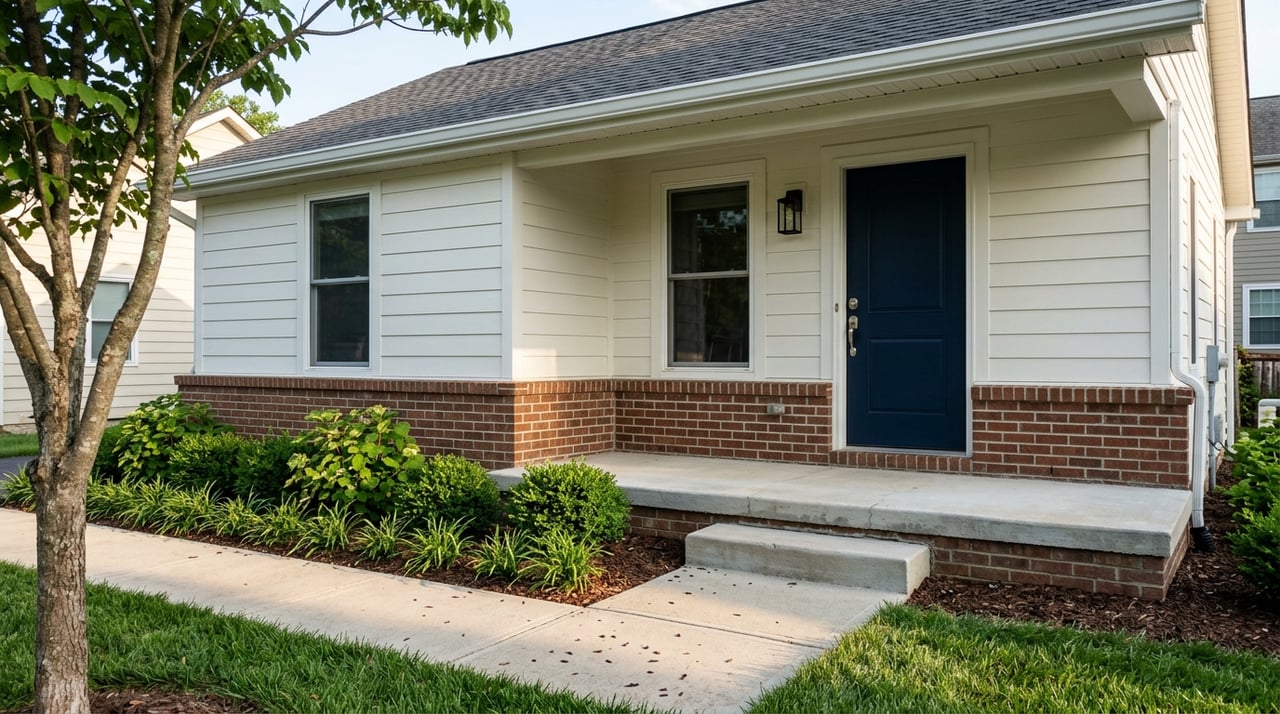
If you are selling a home in South Norfolk, one mistake can cost you time and money: pricing it like the rest of Chesapeake. South Norfolk has its own market rhythm, and buyers notice the difference in home size, condition, and neighborhood character right away. If you want a smoother sale and stronger offers, you need a plan that fits this specific pocket of Chesapeake. Let’s dive in.
Why South Norfolk pricing is different
South Norfolk is not a copy of the broader Chesapeake market. Current market data shows South Norfolk home values and sale prices sit well below citywide Chesapeake numbers, which means broad city averages can make a seller think their home should command more than local buyers are actually paying.
That gap is meaningful. Redfin reports a South Norfolk median sale price of $300,000 in March 2026, while citywide Chesapeake shows a median sale price of $398,000. Zillow also places South Norfolk below the broader city, with a home value index of $291,506 compared with $412,202 for Chesapeake overall.
For you as a seller, the takeaway is simple: start with South Norfolk comps, not Chesapeake headlines. A pricing strategy built around nearby comparable sales and current neighborhood competition is usually more accurate than one built around broader city averages.
What the current market suggests
South Norfolk appears to be moving at a steady pace. Realtor.com reports a median listing price of $309,000, a median price per square foot of $200, and a median 33 days on market, with a 100% sale-to-list ratio.
That tells you buyers are active, but it does not mean every home will sell quickly at any price. Inventory has also ticked up, with listing counts rising year over year, so buyers may have a little more to compare. In a market like that, the homes that stand out tend to be the ones that are well-priced and well-prepared from day one.
Price based on condition, not just size
In South Norfolk, square footage matters, but it is not the whole story. A Chesapeake housing assessment found average single-family detached size in ZIP code 23324 at about 1,500 square feet, far smaller than more suburban parts of the city.
That matters because buyers in this area often weigh condition, updates, and layout heavily. If your home is clean, functional, and visually appealing, it may compete better than a similar-sized property that feels dated or poorly maintained.
When reviewing pricing, focus on:
- Recent South Norfolk sold homes with similar condition
- Active listings competing for the same buyers
- Layout and usable living space
- Major updates, especially kitchens, baths, windows, and systems
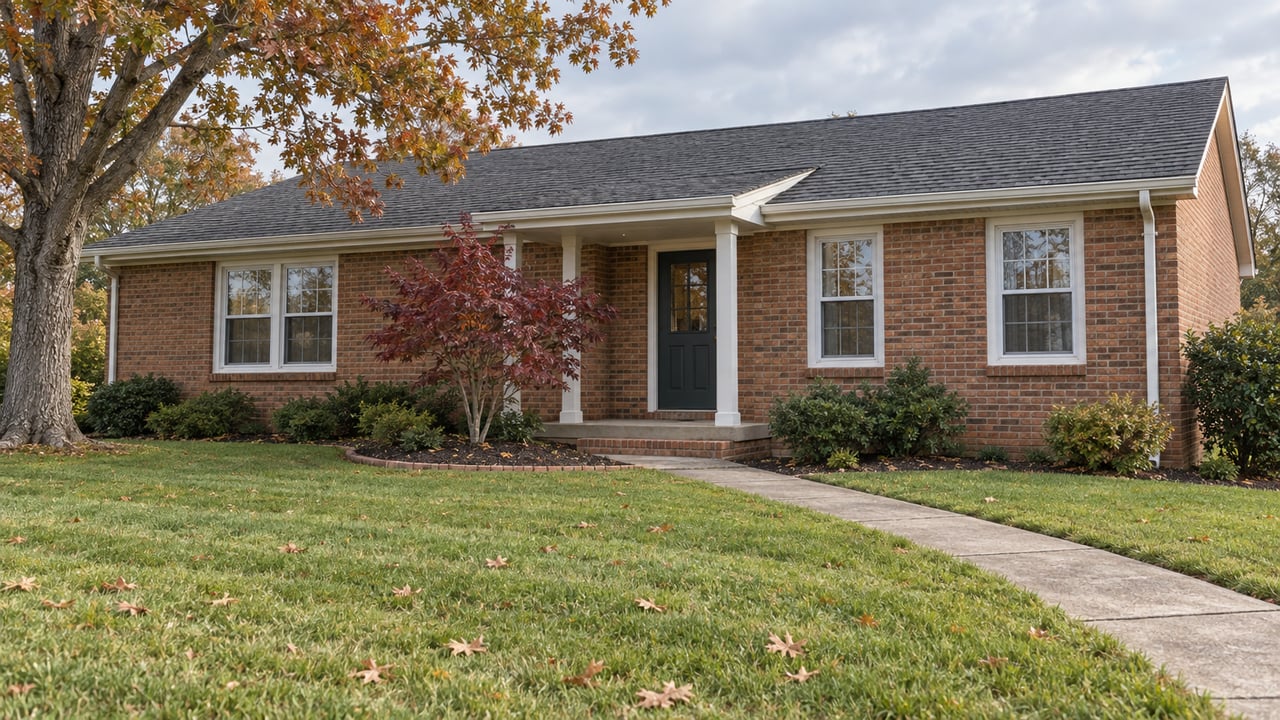
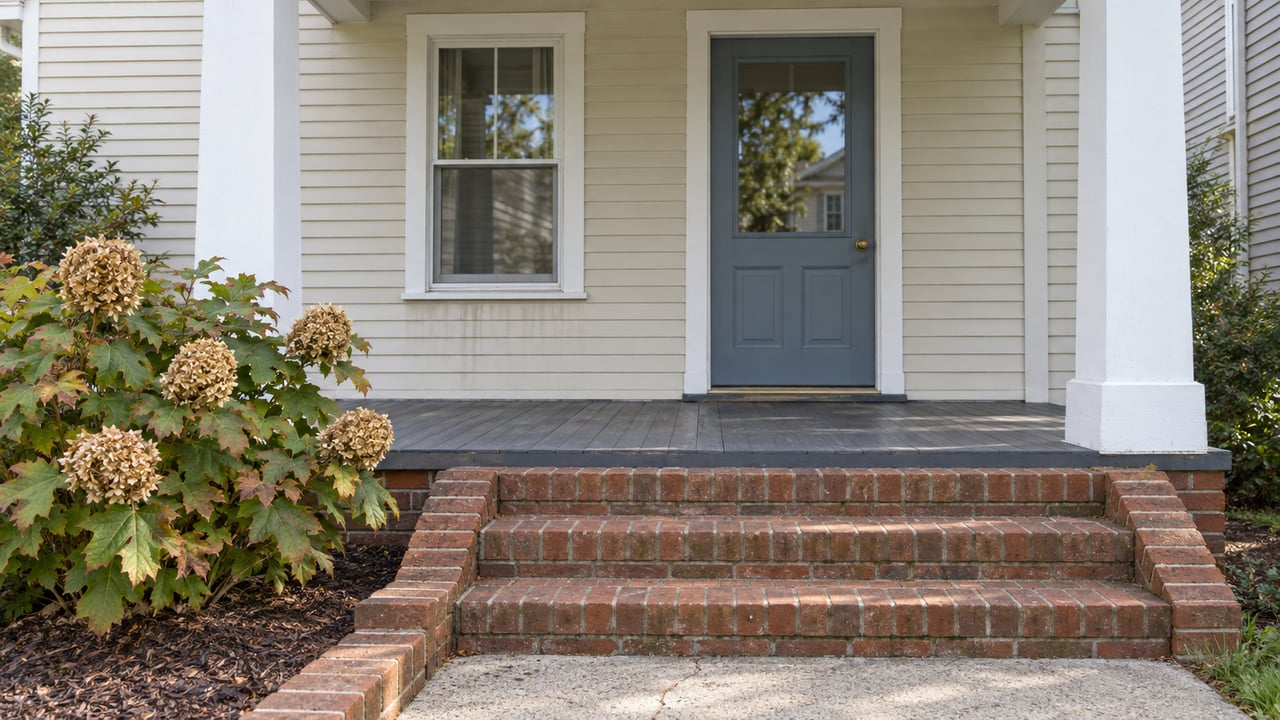
- Exterior appearance and curb appeal
How to set a smart list price
A smart list price is not just a number you hope for. It is a strategy tied to what buyers are seeing right now and how your home compares.
Current portal data clusters South Norfolk value and list ranges roughly between the low $290,000s and low $300,000s. That does not mean your home automatically fits into that band, but it gives you a realistic starting point for the conversation.
When you evaluate list price, ask:
- Which South Norfolk comps are being used?
- Are those comps sold, pending, or active?
- How does my home compare on condition and updates?
- Is the strategy designed to match the current market, reach above it, or create early urgency?
The right answer depends on your home, your timeline, and current competition. What matters most is that the pricing discussion stays hyper-local and data-backed.
Prepare before you go live
Preparation is where many sellers either protect their price or quietly lose it. Buyers often make up their minds quickly online, then confirm those impressions in person.
In South Norfolk, preparation should start earlier than usual if your home needs exterior work or if it falls into certain categories like historic district review, flood-related due diligence, or pre-1978 lead paint disclosure. A little planning up front can prevent delays once you are ready to list.
Check historic district rules first
South Norfolk includes a locally protected historic district, and the city says visible exterior alterations from a public street can require a Certificate of Appropriateness. This can apply to items such as roofs, windows, porches, siding, fences, sheds, garages, driveways, AC units, solar, additions, and other visible exterior changes.
If your home is in that district, do not assume a standard repair can happen on your usual timeline. The city’s rules were updated in March 2025, so it is wise to confirm what needs review before hiring contractors or ordering materials.
If approval may be required, be ready to gather:
- Property address
- Year built
- Photos
- Product specifications
- Details about the planned work
This step can help you avoid spending money on a project that creates delays or has to be revised later.
Plan for flood and disclosure questions
The City of Chesapeake says most of the city is susceptible to some level of flooding, and standard homeowners insurance usually does not include flood protection. Buyers may ask direct questions about flood risk, insurance, and past water issues, especially in older or lower-lying areas.
Virginia’s residential disclosure framework is largely buyer-beware. Sellers generally make no representations about issues like flood zones, historic district rules, lot lines, or overall property condition, and buyers are directed to perform their own due diligence.
That does not mean preparation matters less. It means documentation and clear communication matter more. If buyers are going to investigate, you want to be ready for those conversations early.
Know the lead paint rule for older homes
South Norfolk has many older homes, and that can be part of the area’s appeal. If your home was built before 1978, federal law requires disclosure of any known lead-based paint and lead-based paint hazards before a sale.
Even if you have never had a lead issue, older-home repairs should be handled thoughtfully. If you are doing prep work before listing, make sure your approach reflects the age of the property and any known conditions.
Focus on the updates buyers notice most
Not every home needs a major renovation before it hits the market. In many cases, the better return comes from smart, visible improvements that make the home feel cared for and move-in ready.
Research on staging in 2025 found that many agents saw higher offered value and faster sales from staging. The most common seller recommendations were decluttering, deep cleaning, and improving curb appeal, while the most important rooms to stage were the living room, primary bedroom, and kitchen.
That is good news if you want to be budget-conscious. In South Norfolk, where pricing often leans on condition and presentation, you may not need a full remodel to make a strong impression.
High-impact prep steps
Start with the basics that buyers notice immediately:
- Declutter each room
- Deep clean floors, walls, kitchens, and baths
- Touch up paint where needed
- Replace burned-out bulbs and improve lighting
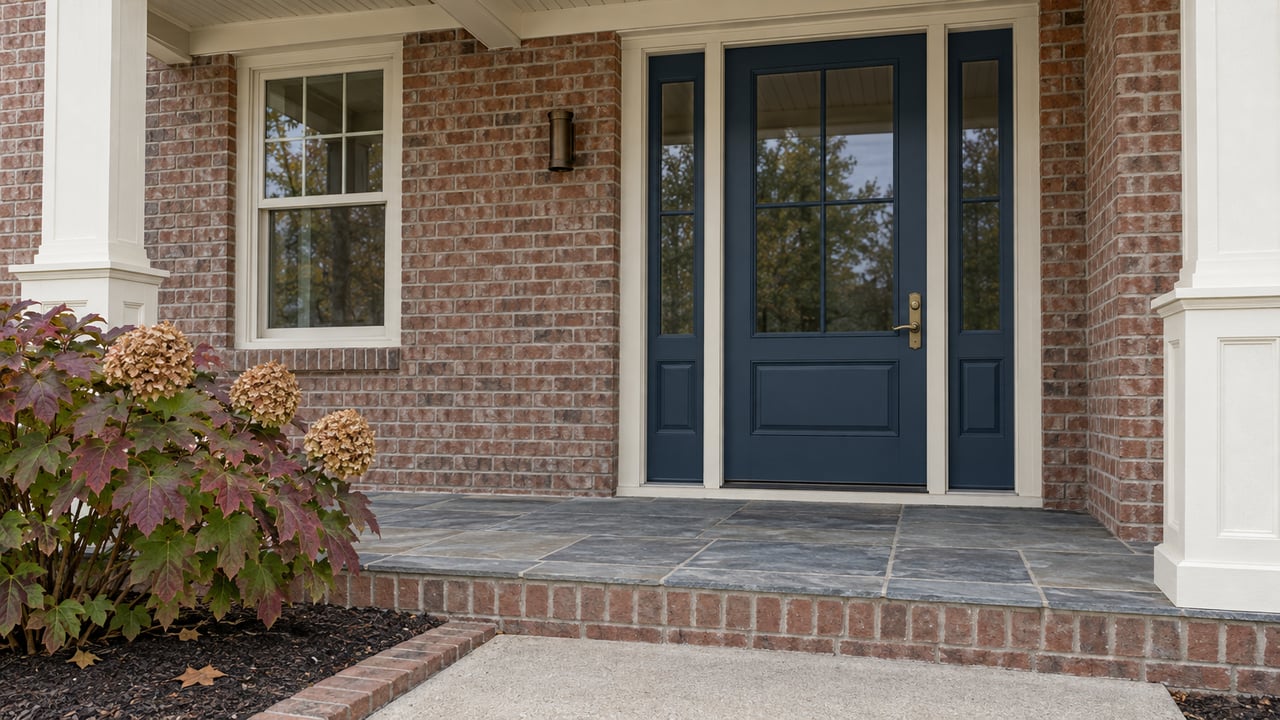
- Tidy landscaping and entry areas
- Remove distracting personal items
- Fix small visible defects such as loose hardware or damaged trim
These steps can help photos look sharper and showings feel smoother.
Stage the key rooms first
If your budget is limited, focus on the spaces buyers tend to care about most:
- Living room
- Primary bedroom
- Kitchen
According to the staging report, the median staging-service cost was $1,500. For some sellers, that makes partial staging or a declutter-plus-refresh plan a practical middle ground.
Create a strong launch plan
Your first days on market matter. Debbie Childs’ brand approach emphasizes building early momentum, and that lines up well with what sellers need in a neighborhood where buyers are comparing value closely.
A strong launch should include professional photography and a clean visual story. Research also found that photos, videos, and physical staging remain highly important to buyers’ agents, so presentation is not an extra. It is part of your pricing strategy.
Before the listing goes live, gather:
- Permits
- Receipts
- Warranties
- Maintenance records
- Product specifications
- Any Certificate of Appropriateness paperwork
This helps you answer questions with confidence and can reduce friction during negotiations.
Use neighborhood context carefully
South Norfolk has a distinct identity within Chesapeake. The city describes it as Chesapeake’s oldest urban area, with a residential core on the National Register of Historic Places, and notes that Poindexter Street is one of the most walkable main streets in Chesapeake.
Those details do not replace hard pricing data, but they can help frame your home’s story. For the right buyer, neighborhood character, historic context, and urban convenience can support interest when paired with the right price and presentation.
A practical pre-list checklist
If you want a simple way to organize your next steps, use this checklist before you list your South Norfolk home:
- Confirm whether your property is in the local historic district.
- Check whether flood-related due diligence is likely to come up.
- Identify whether the home was built before 1978.
- Review any exterior repairs before starting work.
- Gather records, receipts, warranties, and permit documents.
- Declutter, deep clean, and improve curb appeal.
- Prioritize the living room, primary bedroom, and kitchen.
- Review South Norfolk-specific comps and active competition.
- Plan professional photography before launch.
- Prepare for likely buyer questions about condition, flood concerns, historic review, and inspections.
Final thoughts on selling in South Norfolk
Selling a home in South Norfolk is not about chasing the highest Chesapeake number you can find. It is about understanding how this local market values condition, presentation, and neighborhood context, then using those details to price and prepare with purpose.
If you take the time to verify approvals, handle repairs thoughtfully, and build your price around true South Norfolk comparables, you give yourself a much better chance of attracting serious buyers and negotiating from a stronger position. If you want a calm, data-backed plan for your sale, Debbie Childs is here to help. Let’s Connect.
FAQs
What is the median home price in South Norfolk, Chesapeake?
- Redfin reports a South Norfolk median sale price of $300,000 in March 2026, while Realtor.com reports a median listing price of $309,000.
How long do homes take to sell in South Norfolk?
- Realtor.com reports a median of 33 days on market in South Norfolk, which is close to Chesapeake’s broader pace.
Should I price my South Norfolk home using Chesapeake averages?
- No. Because South Norfolk prices sit below broader Chesapeake averages, it is usually more accurate to price from South Norfolk-specific comparable sales and active listings.
Do South Norfolk historic district homes need approval for exterior work?
- Some do. In the locally protected historic district, visible exterior alterations from a public street can require a Certificate of Appropriateness.
What should I do before listing an older South Norfolk home?
- Check whether the home was built before 1978, gather records on repairs and maintenance, and prepare for questions about lead-based paint disclosures, condition, and other due diligence items.
What home prep matters most when selling in South Norfolk?
- Decluttering, deep cleaning, curb appeal, and presentation in the living room, primary bedroom, and kitchen are among the most important steps before listing.